

Tips for Gutters and Downpipes Replacement
Gutters and downpipes protect your home from water damage. If they're damaged or missing, water can build up around your home and erode its foundation.
It is simple to replace gutters or downpipes that have become blocked or damaged, or are missing. This can add value and beauty to your home. A new gutter system can enhance drainage and prevent leaks, and it will help make the exterior paint job last longer.
Cost
If you're considering replacing your downpipes and gutters, there are several factors to consider. You'll have to decide on the materials and the method of installation and the cost. It is essential to select a professional installer. Gutter professionals have access to special tools and equipment that can simplify the replacement process and ensure exact results. In addition, they have the experience and expertise to recommend the best option for your home's unique needs and goals.
It is essential to change your gutters and downpipes if they are damaged. This will stop costly water damage to your home and also protect the roof's integrity. A functioning gutter and downpipe will also stop the overflow, clogging and rot on the fascia board and eaves. It is also essential to keep your downpipes and gutters clean so that any debris doesn't clog them.
Gutter systems are made out of vinyl, aluminum or steel. Aluminum is the most commonly used choice because it's lightweight and durable. It's also available in a variety colors and is quite affordable. Steel gutters are more costly, but they're also more durable and stronger than aluminum.
The price of gutters and downpipes varies on the size and type of the system. A new aluminum gutter system, for instance, costs between $600 to $870. If you need an extension for your downspout to divert water away from the house, this will cost an additional $100 or more. Consider the installation costs as well which are usually based on the lengths of gutters and downpipes.
When choosing downpipe colours it's recommended to match them with the trim colour of your home. This will stop the downpipes from being visible and will make them look more appealing. Downpipes along trim should be matched to the trim. downpipes flush with siding must also be painted the same color.
Make sure you request an exact estimate and references before choosing a gutter company. It is essential to choose an experienced and licensed roof plumber to install your gutters and downpipes. If they are not installed correctly, it could cause additional damage to your home.
Materials
When you're planning to purchase gutters and downpipes for your home, you need to think about the material you'd like to use. Each material has different advantages and disadvantages, so it's recommended to seek out a professional's assistance in when making a choice. They can explain to you the various types of materials and help you choose the one that will best suit your home's requirements and style. The proper gutter can save you money by reducing maintenance costs.
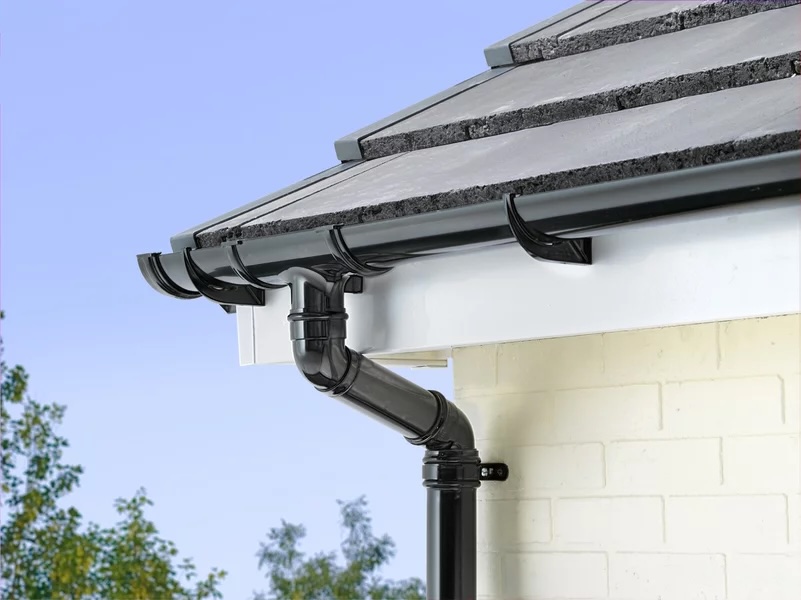
Gutters and downpipes can be found in a variety of materials that include aluminum, vinyl, copper, and stainless steel. Some materials can be used to improve the decor of your home, while others can boost its value and protect it from water damage. Different materials require different levels of maintenance and certain materials are more sustainable than others.
A professional will generally recommend hiring a contractor to handle the installation of gutters and downpipes. This will help ensure proper installation and avoid potential leaks and other issues. However, you may be capable of installing your gutters yourself if you have the tools and know-how.
You'll also need safety equipment like safety glasses and gloves. You'll also need a drill to make holes for brackets and connect gutter pieces. A tape measure is helpful for measuring gutter lengths. You'll also need a circular saw or saw to take out old gutters and replace damaged fascia board.
The next step is to assemble the new gutter system using gutter slip joint connectors. These are available in several different sizes and can be purchased from a hardware store. After you've put the system together it's time to add downspouts. Downspouts take the rainwater from your gutters and drain it away from your home which will prevent foundation erosion and other costly issues.
To install downspouts, you must first trace the location of the downspout's opening on the gutter section using a chalk line. Then, use an electric tool equipped with an edge-cutting blade to cut out the outline of the downspout channel. Attach the U-brackets for the downspouts to the trimboard with pop rivets or screws. Add downspout extensions and elbows depending on the need to channel water away from your house. Apply silicone sealant to the seams and end caps to stop leaks.
Placement
Gutters and downpipes are vital parts of a house's drainage system. They are designed to collect rainwater from the roof and channel it away from the structure. They also play a crucial part in preventing water damage to the home. Regular maintenance and cleaning of gutters is essential for the long-term durability of downpipes and rain gutters. It is also important to position the drainage system correctly for it to function efficiently.
Downspout placement is a crucial aspect of gutter installation that many homeowners do not consider. The downspouts empty contents from the gutters to the ground or into a storm drain. They are essential to avoid water runoff and overflows, which can cause expensive damage to the exterior of the home and foundation. Professional installers will plan the location of the downspout to ensure that the gutter system is secure and efficient.
Professional installers will take into consideration the slopes of the land and the terrain. This will allow them to determine the number of downspouts they need to install. A downspout should be placed in every 25 to 35 linear feet of gutter. In clicking here can prevent overflowing and ensure that the gutters drain properly.
Utilizing conductor heads and scupper boxes to regulate the flow of water through the downpipes is a good option. Conductor heads are funnels that are able to be positioned on top of the downpipe which can help to avoid overflowing. Scupper boxes are installed wherever the downpipes come in or out of the wall. Y-connectors are commonly used when downpipes cross paths.
When it comes time to choose the color of your downpipes you must match them with your trim and siding. This will make your house look more cohesive and attractive. It is also a good idea to use high-quality siliconized caulk for the installation and sealing of downpipes. You may also opt to use the gutter hanger recessed into the gutter to keep it from separating from the structure of your home. The hangers must be secured with pop rivets or sheet-metal screws to prevent them from loosing over time.
Installation
Maintaining your gutters and downpipes clear helps to direct water away from the house. This decreases the chance of erosion, flooding and rot and also protects windows and sidings from the effects of moisture. It also prevents clogged gutters that could cause leaks. Routine maintenance involves checking for signs of obstruction and flushing the system with a hose. If a downpipe is fully blocked, it must be dismantled to remove obstructions and could require replacement.
The second part of a gutter system is the downpipe. It is used to collect and drain water. Installed at the end of the gutter run they must be at least one metre away from the foundation of the house so that water can flow the shortest route possible. Downpipes are available in square or round styles and come in a range of colours. Metal, such as aluminum, is long-lasting and durability while plastic choices may fade or crack with time.
While some homeowners attempt to install their own guttering and downpipes, this is a job that should be left to experts. Gutter contractors possess the equipment, skills and experience necessary to ensure a flawless installation that will last for a long time. DIYers with no experience may overlook crucial steps or make errors that compromise the system's functionality.
Find out about the qualifications and insurance of the gutter contractor you are thinking of hiring. A reputable business will offer workers' compensation insurance as well as general liability insurance to protect your property from damage during the replacement process. They will also work closely with manufacturers who are reputable in order to provide warranties and guarantees for their services.
Gutter accessories, like rainwater heads and leaf catchers can improve downpipe performance by preventing the clogging of the pipes and debris accumulation. They can be easily installed on existing downpipes, or along with a guttering installation. They are available in a variety of colors that match any style of home.
When replacing downpipes, it is important to choose a length that is in line with the length of the guttering. This will ensure there aren't any gaps and that the downpipe is aligned with the guttering. It is also a good idea to use a larger downpipe if you live in an area with rainy weather, since this will improve drainage capacity and help prevent blockages in the downpipe.